

What Is Kratom?
What is Kratom?
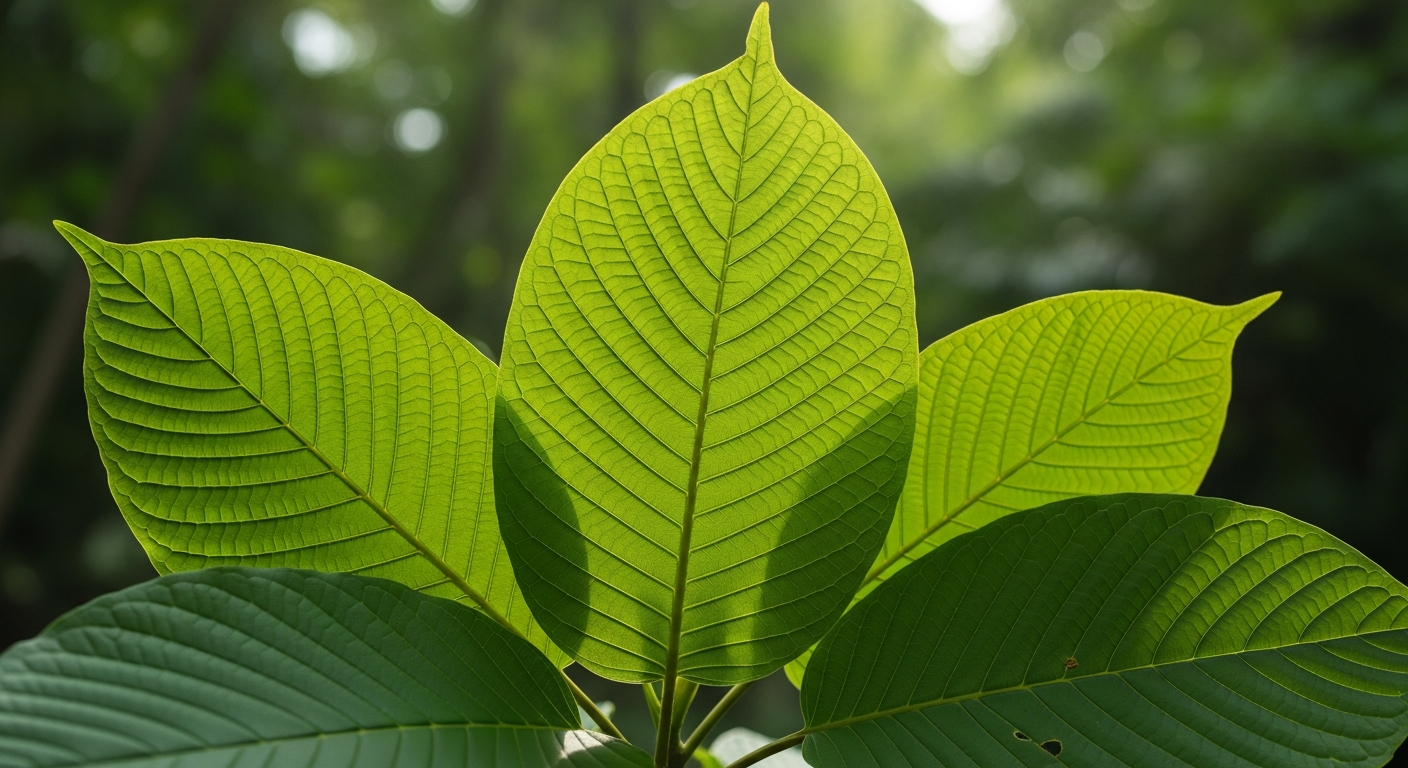
Kratom is the leaf of Mitragyna speciosa, a tropical evergreen tree in the coffee family native to Southeast Asia. While it has been used traditionally for centuries in countries like Indonesia, Thailand, and Malaysia, it has recently gained global attention for its unique botanical properties.
Where does kratom come from?
The Mitragyna speciosa tree thrives in the hot, humid climates of Southeast Asia. The vast majority of kratom available in the Western market today is cultivated and harvested in Indonesia, particularly on the island of Borneo. It grows wild in deep forests and is also farmed sustainably by local agricultural communities.
What is kratom made from?

Kratom products are derived simply from the leaves of the tree. After harvesting, the leaves are dried (using various methods involving indoor darkness or outdoor sunlight to alter their alkaloid profile) and then ground into a fine powder. This powder can be sold as-is, encapsulated, or brewed into tea. It is a whole-plant product.
How does kratom work?
Kratom leaves contain over 40 active compounds known as alkaloids. The two most abundant and studied are mitragynine and 7-hydroxymitragynine. These alkaloids interact with the body's opioid receptors, though kratom is chemically distinct from opiates. The effects can vary depending on the amount used, with lower amounts generally associated with more stimulating effects and larger amounts with more sedative effects.
Types of kratom
Vendors typically categorize kratom by "vein color" and "strain name." These classifications are helpful for identifying different batches but are often marketing terms rather than strict botanical distinctions.
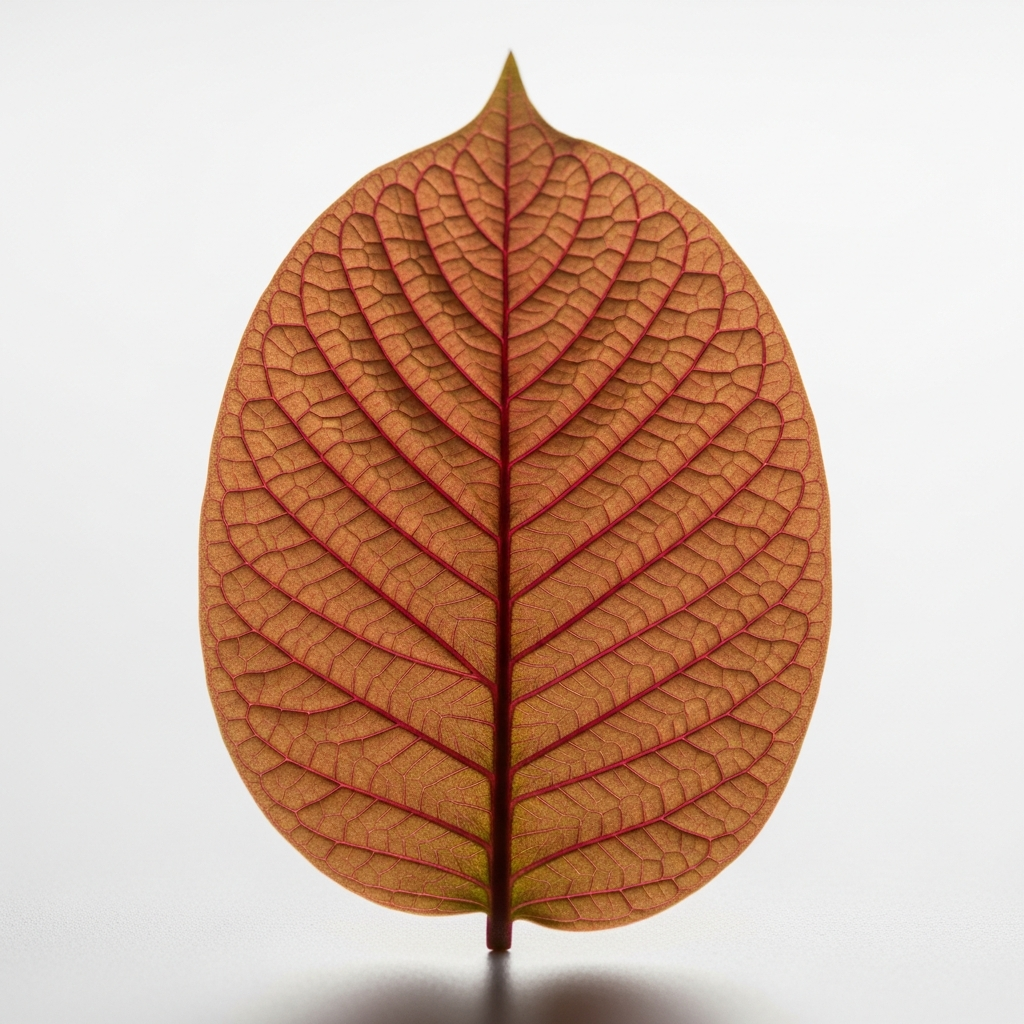
Red Vein
Often dried longer or fermented; traditionally associated with more calming properties.
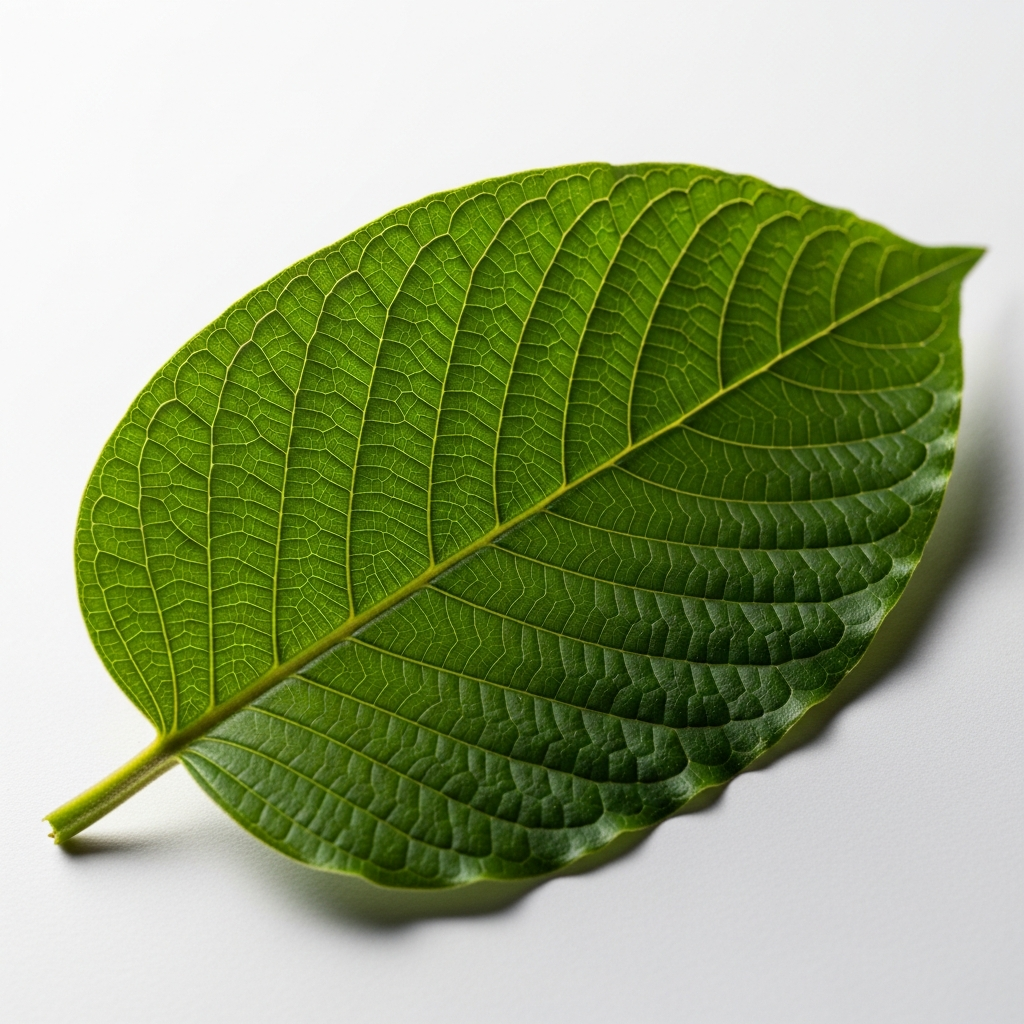
Green Vein
Dried with little to no fermentation; often considered a middle ground.
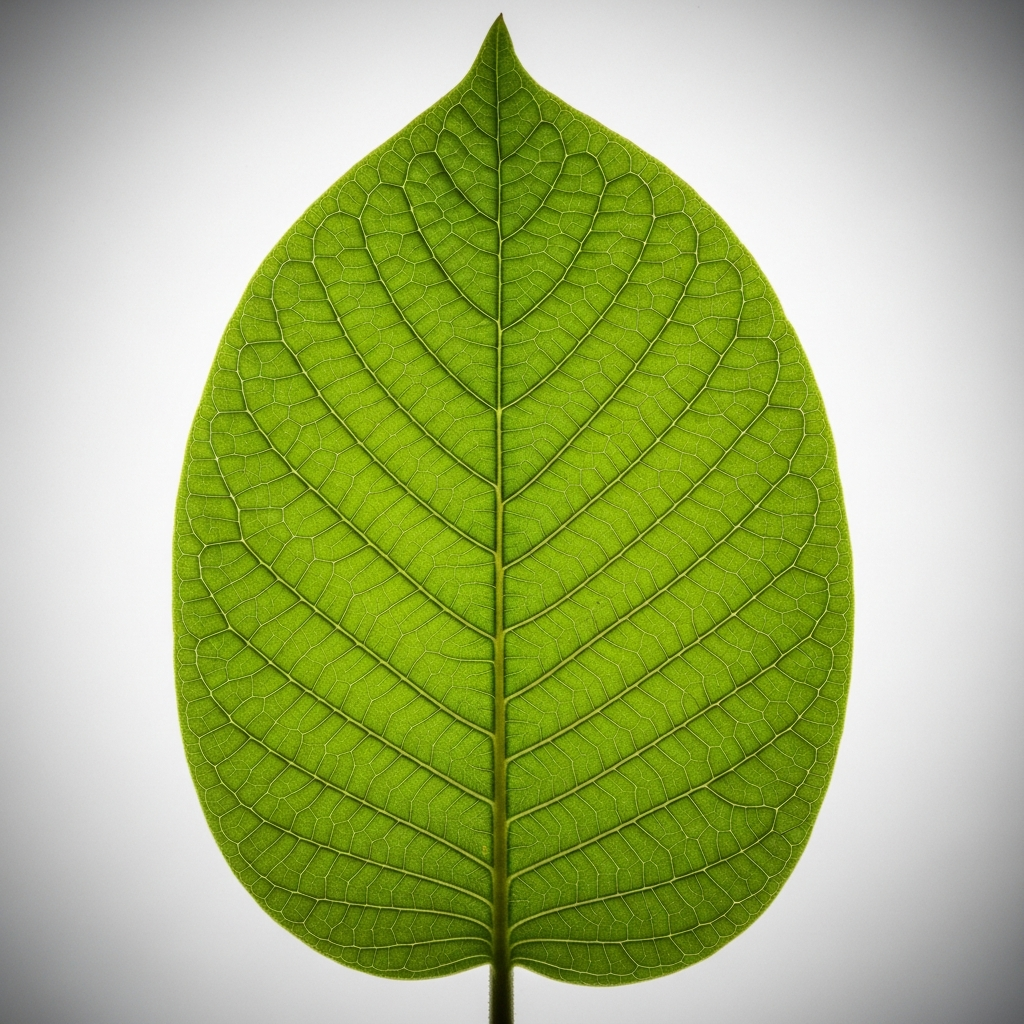
White Vein
Dried indoors or without light; traditionally associated with more energizing properties.
Kratom legality
Kratom is federally legal in the United States, but it is not legal everywhere. Several states (such as Alabama, Arkansas, Indiana, Rhode Island, Vermont, and Wisconsin) and specific cities have banned or restricted its sale and possession. Laws change frequently, so it is critical to check your local city, county, and state regulations before purchasing.
Kratom safety & risks
Safety is paramount. The US FDA has issued warnings regarding kratom and has not approved any kratom product for medical use. There are no FDA-approved therapeutic claims for kratom.
Potential risks include nausea, dizziness, constipation, and dependency with long-term, heavy use. Kratom can interact with other substances and medications. Always consult a healthcare professional before use, especially if you have pre-existing conditions.